
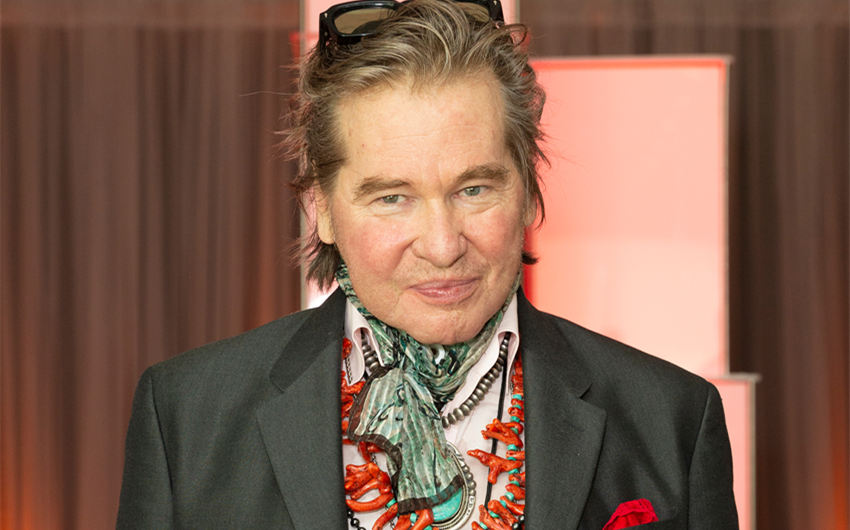
Val Kilmer Net Worth: Estimated Fortune, Who He Was, and Wealth Breakdown

Val Kilmer’s net worth is often discussed because he lived two very different career chapters: a peak era when he was one of Hollywood’s highest-paid stars, and a later era shaped by health challenges, fewer leading roles, and a shift into smaller projects and creative work outside traditional acting. By the time of his death in 2025, the most widely cited estimates placed his wealth far below what people assume a former A-list blockbuster star “should” have—largely because net worth reflects what you keep, not what you earn.
Who Was Val Kilmer?
Val Kilmer was an American actor known for major roles in some of the most recognizable films of the late 1980s and 1990s. He became a pop-culture fixture as Iceman in Top Gun, delivered a transformative performance as Jim Morrison in The Doors, earned lasting fan love as Doc Holliday in Tombstone, and took on the cape in Batman Forever. He was also an artist and storyteller beyond film, with later work that included writing, visual art, and personal projects that kept him creatively active even as his on-screen output slowed.
Estimated Net Worth
Val Kilmer’s net worth was most commonly estimated at around $10 million at the time of his death. Because he passed away in 2025, there isn’t a separate, meaningful “2026 personal net worth” in the usual sense—what people are really referring to after that point is the approximate value of his estate. Public estimates generally continue to cite the same figure, since estates typically don’t change dramatically in public reporting unless there is a major disclosed asset sale or newly revealed liabilities.
It’s also important to understand why this number is an estimate. Kilmer’s finances were not publicly audited. The figure is a best-guess summary based on reported career earnings, known assets (especially real estate), and the reality that his ability to work consistently was limited in later years.
Net Worth Breakdown: Where the Money Came From
Peak-Era Film Salaries
Kilmer’s biggest wealth-building years were the 1990s, when he was paid like a top-tier leading man. He commanded multi-million-dollar paychecks for major studio projects, including high-profile franchise work. In a typical Hollywood trajectory, that level of compensation—stacked across several films—can create long-term financial security.
However, big paydays don’t automatically translate into big net worth. Taxes, agent and manager commissions, lifestyle costs, and the natural gaps between projects all reduce how much a star keeps. And once a performer’s role volume slows down, the financial “engine” that used to replenish wealth becomes far less predictable.
Ongoing Royalties and Long-Tail Film Income
A star with Kilmer’s filmography often continues earning through royalties and residual-style income streams, depending on contract structures. His best-known films remain widely watched, and long-term demand can produce recurring payments through licensing and distribution. While the modern streaming era has changed the economics of residuals and royalties, a deep catalog still tends to generate ongoing income—just not always at the level the public imagines.
For many actors, long-tail income can function as a steady baseline rather than a massive fortune-builder. It helps maintain wealth, but it typically doesn’t replace the effect of frequent, high-paying new roles.
Real Estate and Asset Holdings
Real estate is commonly a major part of celebrity net worth, and Kilmer’s property holdings have been part of public discussion for years. Like many long-time Hollywood earners, he held value in tangible assets rather than relying only on entertainment income. Over time, property can preserve wealth, appreciate, and provide liquidity if sold.
But real estate can also be expensive to maintain. Taxes, upkeep, insurance, and market timing all affect how much value ultimately becomes “keepable” wealth. A person can own valuable property and still experience cash flow pressure, especially if health challenges limit active income.
Health-Related Limits on Earning Power
One of the biggest factors in understanding Kilmer’s later-life finances is that health issues reduced his ability to work in the same way he did in his peak years. When an actor’s career output slows sharply, income becomes less consistent, and costs can rise at the same time. Even with insurance, high medical expenses and long-term care needs can be financially significant—especially over many years.
This is one of the most common reasons you’ll see “career earnings” that sound huge alongside a net worth estimate that looks comparatively modest. Net worth reflects what remains after life happens.
Creative Work Outside Acting
Kilmer also earned through creative pursuits beyond traditional acting, including writing and visual art. For public figures, art sales and related projects can generate real income and can function as both revenue and legacy building. The challenge is that these income streams are usually private and hard to quantify publicly, so they rarely move net worth estimates dramatically unless the artist is operating at the very top end of the art market.
Still, these ventures matter because they show how he continued to generate value and maintain a public presence even when mainstream acting opportunities were less frequent.
Costs, Taxes, and Why Net Worth Can Shrink Even After Big Earnings
The reason the public often overestimates celebrity net worth is that people confuse gross earnings with retained wealth. A high-profile actor pays:
Taxes across multiple states and years
Representation fees (agents, managers, lawyers)
Operating costs (publicists, assistants, business management)
Lifestyle and property maintenance
Health and personal costs that can rise significantly over time
When earnings slow in later years, those costs don’t automatically shrink at the same pace. That mismatch is how someone can earn massive sums in one decade and still end up with a far smaller net worth later on.