How to Recover from PTSD with Yoga

Post-traumatic stress disorder can change how you think, feel, and go about your daily life. According to the World Health Organization, about 3.9% of the global population has faced post-traumatic stress disorder (PTSD) at some time in their lives. This condition tends to impact more women than men. Fortunately, there are effective treatments out there for those dealing with PTSD.
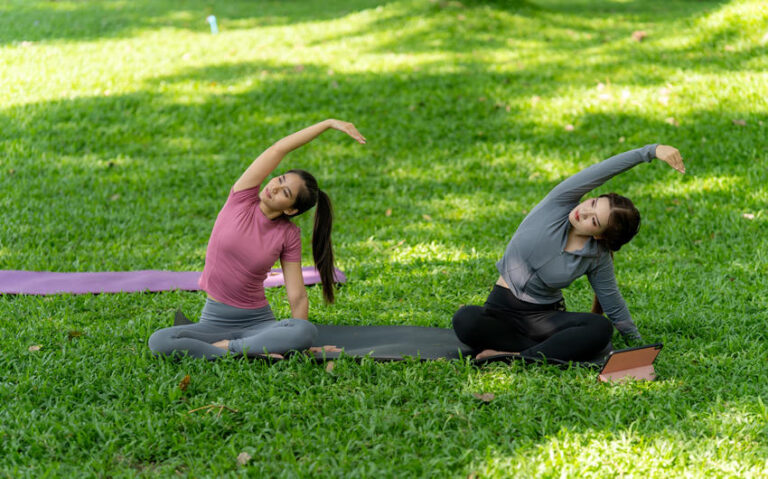
Many individuals seek gentle and natural methods to support their healing, and yoga has emerged as a highly recommended practice. It combines mindful movement, breathing techniques, and relaxation strategies that help you reconnect with your body and calm your mind. With time, these practices can help diminish stress responses and cultivate a feeling of safety within yourself.
When you embark on your yoga journey as a means of recovery, it is not solely about the physical movements. It is also about developing awareness and showing yourself compassion. This article explores how yoga can help you find emotional balance, improve your sleep quality, and deepen the connection between your mind and body. These aspects are all crucial for healing from PTSD.
Learn About Trauma-Sensitive Yoga
Trauma-sensitive yoga (TSY) offers a gentle and nurturing approach tailored for individuals on their journey to recover from trauma, including PTSD. A Taylor & Francis report states that TSY can lead to some positive changes. It may include better self-regulation and awareness, a stronger commitment to self-care, and an overall uplift in the quality of life.
Unlike traditional yoga classes that often emphasize physical performance, this style prioritizes safety, choice, and mindfulness. When you engage in trauma-sensitive yoga, you’re encouraged to move at your own pace and focus on your breath. It can help you regain a sense of control and stability that trauma often disrupts.
This approach helps you rebuild trust in your body while minimizing feelings of fear or overwhelm. Over time, the combination of mindful breathing, gentle stretches, and a calming atmosphere can support your emotional regulation and relaxation. It makes your nervous system feel more balanced and secure.
Manage Your Emotions
Dealing with your emotions can be tough when you have PTSD. Trauma can trigger strong feelings that seem to come out of nowhere. Yoga can be a soothing way to observe and make sense of these emotions without feeling swamped. This kind of mindful awareness helps you catch emotional changes as they happen, rather than just reacting impulsively.
If your trauma arises from an accident caused by someone else’s negligence, as the one witnessed in Rogers, Arkansas, the emotional weight can be even more overwhelming. According to KOAM, a tragic incident occurred when a person jumped off the South Bellview Road overpass that spans I-49.
In such a case, reaching out to a personal injury lawyer in Rogers, Arkansas, can be a great way to seek the compensation victims deserve. At the same time, engaging in yoga can help release emotional strain, restore inner peace, and gradually regain control over mind and body.
According to the Keith Law Group, if anyone gets hurt in a car accident in Rogers, lawyers help explore legal options. Moreover, they ensure the victim’s interests are well-protected. After a serious car accident, your main focus should be on healing, not on struggling to claim the money that’s rightfully yours. This mindset enables you to maximize the benefits of practices like yoga.
Listen to Your Body
Paying attention to your body is essential for recovering from PTSD with yoga. After trauma, it’s common for your body to hold onto tension, discomfort, or fatigue that you might not notice right away. Yoga encourages you to take a step back and listen to these physical cues with care and patience.
When you listen to your body, you allow yourself the freedom to move in your own way. You can take a breather, adjust your pose, or rest when your body needs it. This process is essential for restoring the trust between your mind and body, which gets disrupted by previous traumas.
As you cultivate this mindful connection, you might discover that you feel safer. This awareness is key to understanding what feels good and what might be a bit overwhelming. You become confident in your ability to care for both your physical and emotional well-being.
Stay Consistent
Being consistent with your yoga practice can significantly aid your recovery. Calm notes that engaging in yoga daily can be rewarding for your body and mind. Regular practice can enhance your flexibility, strength, and balance while also helping to alleviate stress and improve mental clarity. However, it’s crucial to vary the intensity and style of your yoga sessions.
When you engage in yoga regularly, even if it’s just for a few minutes each day, you start to form a routine that supports both your mind and body. The combination of breathing, movement, and relaxation works to soothe your nervous system and alleviate ongoing stress. Over time, these small, steady efforts can lead to a noticeable improvement in your overall well-being.
As you consistently show up for your practice, you begin to nurture a sense of stability and trust in yourself. Some days may feel harder than others, but maintaining a routine keeps you connected to your healing journey. With a bit of patience and consistency, you build your emotional resilience and discover healthier ways to cope with stress.
FAQs
How to rewire your brain after PTSD?
Rewiring your brain after experiencing PTSD is a journey that requires time, patience, and the right habits to support you. You can start with mindfulness, yoga, and deep breathing to help calm your nervous system. As you practice these positive habits, your brain will gradually learn to find its balance.
Does yoga help with mental health issues?
Yes, yoga is a way to support mental health in many beneficial ways. When you practice yoga, you integrate movement, breath, and mindfulness, which can calm your nervous system. It can help alleviate stress, anxiety, and emotional strain. With regular practice, yoga can enhance your mood, foster greater self-awareness, and help you feel more balanced and relaxed.
How can I heal my PTSD naturally?
When it comes to healing PTSD naturally, it often means adopting supportive daily habits that ease your mind and body. Consider trying out yoga, meditation, deep breathing, regular exercise, and enjoying the great outdoors. Prioritizing good sleep and maintaining a healthy diet can also be beneficial. Over time, these practices can help diminish stress and bolster your emotional recovery and resilience.
The path to recovering from PTSD with yoga is all about patience and discovering more about yourself. When you commit to showing up for yourself, you create a haven to explore your emotions and rebuild your confidence. Yoga fosters a sense of gentle curiosity, helping you tap into your inner strength and resilience. Healing takes time, but with commitment, yoga can be a steadfast ally on your journey to emotional and physical wellness.