
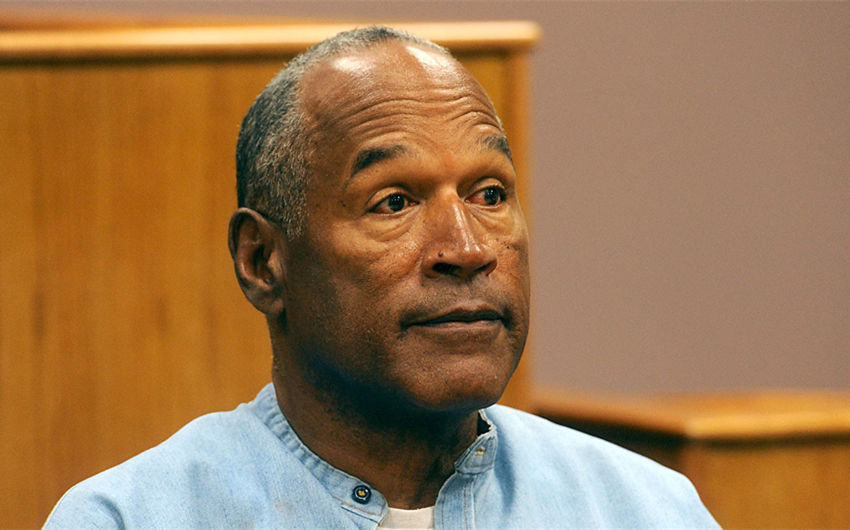
O.J. Simpson Net Worth Estimate and Estate Breakdown After His 2024 Death

O.J. Simpson’s money story is nothing like a normal celebrity wealth story. When people search O.J. Simpson net worth, they’re usually asking how a former superstar with huge fame and earning power could die with what looks like a relatively modest estate. The short answer: decades of legal liabilities, lost endorsement power, and the way certain assets are structured can dramatically shrink what’s actually collectible or even visible to the public.
Quick Facts
- Known for: NFL Hall of Fame career, acting, and major public legal history
- Died: April 10, 2024
- Financial headline: A civil judgment that grew to tens of millions with interest
Who Was O.J. Simpson?
O.J. Simpson was a former NFL superstar who became a household name long before his legal troubles defined his public image. On the field, he was a rare kind of athlete: a dominant running back who also crossed into mainstream celebrity. That matters financially because the biggest money for stars of his era often wasn’t the league paycheck alone—it was the endorsement power that came from being recognizable to people who didn’t even watch football.
After football, he stayed visible through acting and commercial work. For a long stretch, his income wasn’t just “sports money.” It was celebrity money: brand deals, TV appearances, acting roles, and the kind of broad-market fame that can keep paying even after athletic retirement.
Then everything changed. The 1990s brought one of the most publicized legal sagas in American history, and even setting aside opinions, the financial impact is clear: legal costs, lost deals, and long-term civil liabilities can destroy wealth, even for someone who once earned at the top of the market.
Estimated O.J. Simpson Net Worth
Estimated net worth at death: around $3 million to $5 million
By the end of his life, widely cited estimates tended to place O.J. Simpson in the low single-digit millions rather than anything resembling “superstar athlete billionaire” territory. The reason is simple: net worth is what remains after decades of expenses and obligations, not what someone once earned during their peak.
Important note: “Net worth” and “probate estate value” can be very different. Net worth can include assets that don’t transfer cleanly through probate or aren’t easily seized. Probate estate value is what’s actually in the estate and available (after costs and priority claims) to distribute. In Simpson’s case, a key part of the public conversation after his death was that the civil judgment could be enormous on paper while the estate available to pay it appeared far smaller in practical terms.
Breakdown: Where O.J. Simpson’s Money Came From
NFL career earnings
Simpson’s first major wealth came from football. Even though NFL salaries in his era don’t compare to modern contracts, star players could still do very well—especially when they were the face of a franchise and consistently in the national spotlight. His on-field success didn’t just pay him; it positioned him for much bigger money outside the stadium.
Think of the NFL years as the platform. The true financial engine for celebrities like him often came from what the platform unlocked.
Endorsements and mainstream celebrity income
At his peak, O.J. Simpson wasn’t only a sports star—he was a mainstream celebrity. That’s where endorsement money matters. Endorsements can outlast athletic prime, and the best ones can dwarf the base salary an athlete earns, especially in earlier eras when “being a national icon” was rarer and more valuable.
He also earned from acting and television appearances, which helped keep income flowing after football. This is one reason people assume he must have died wealthy: they remember the iconic status. But celebrity income is fragile. Once the public relationship breaks, the checks can stop fast.
The financial collapse of endorsement power
After his legal troubles became global news, the commercial side of his career largely imploded. Endorsement and brand work depend on broad public acceptance. When a person becomes polarizing or toxic to advertisers, companies back away. That kind of reputational shift doesn’t just reduce income—it can erase future earning potential for decades.
This is one of the biggest reasons the “superstar” image doesn’t match later-life net worth estimates. A career can be financially destroyed not only by judgments, but by the disappearance of easy, recurring brand money.
Legal expenses and the long-term cost of notoriety
Legal costs can be brutal even for wealthy people, and they don’t arrive once. They can continue for years, then reappear through appeals, enforcement actions, new disputes, or related claims. Even when a person is no longer paying large criminal-defense bills, the civil and personal cost structure can keep draining money.
Beyond attorney fees, a famous and controversial figure may face higher costs for basic life stability: security concerns, relocation, managing media exposure, and the indirect costs of being unemployable in normal settings. Those are the kinds of slow leaks that shrink wealth over time.
The civil judgment that shaped everything
A major financial shadow over Simpson’s life was the civil judgment connected to the deaths of Nicole Brown Simpson and Ron Goldman. Over time, interest can turn a large judgment into a staggering figure. That’s why you’ll see numbers that look disconnected from reality: tens of millions owed, yet only a small estate available to distribute.
The key detail is that owing money and being collectible are not the same thing. A judgment can grow on paper while the actual ability to seize assets is limited by how assets are held, what exemptions apply, and what income streams are protected under certain laws.
Protected income streams and why collection can be difficult
One reason Simpson could maintain a lifestyle while the judgment remained largely unpaid is that some types of retirement income can be difficult for creditors to access, depending on state rules and the nature of the account. In many cases, pensions and certain retirement structures have stronger protections than typical bank accounts.
This doesn’t mean unlimited wealth. It means the wealth that exists may be structured in ways that are harder to attach. From a net worth perspective, it also means a person can appear financially stable while still carrying a massive legal obligation that keeps growing in the background.
Real estate, personal property, and what can actually be sold
Later-life net worth for many celebrities is tied less to huge income and more to assets: real estate, investments, collectibles, and personal property that can be liquidated if necessary. In estate situations, the most visible assets are often the easiest ones to sell—memorabilia, personal items, and anything that can be auctioned without complex legal fights.
But collectibles and memorabilia aren’t guaranteed money. Their value depends on demand, timing, authenticity, and the market’s mood. Even when items sell well, the proceeds can be reduced by auction fees, probate costs, taxes, and other priority claims before any judgment holder receives a payout.
Featured Image Source: https://www.aetv.com/articles/oj-simpson-legal-issues