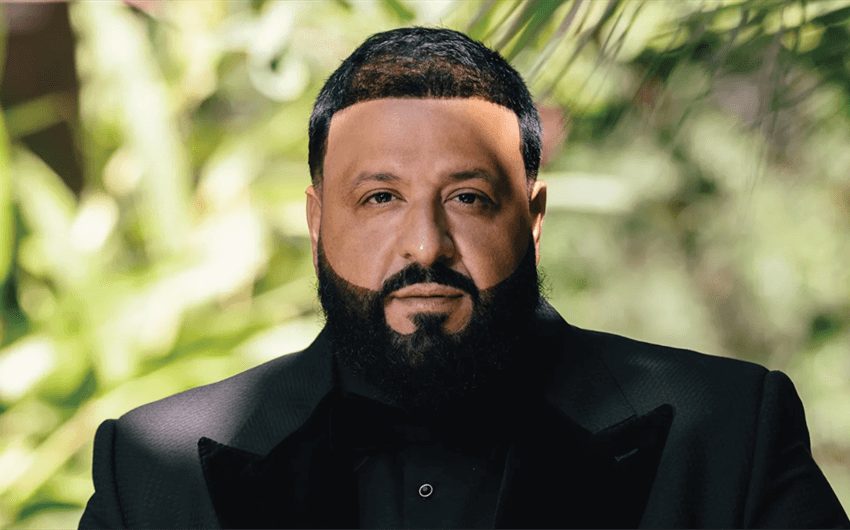
DJ Khaled Net Worth Explained: How He Built a Mogul-Level Music Empire
DJ Khaled net worth gets searched so often because his career doesn’t look like a typical “artist path.” He’s not just a voice on records—he’s a brand, a connector, and a business operator who turns moments into money. The number you’ll see online is an estimate, but the real story is how he built multiple income streams that keep paying whether he drops an album this year or not.
So what is DJ Khaled’s net worth really “supposed” to be?
Most widely cited estimates put DJ Khaled in the high eight figures. One of the most referenced celebrity finance trackers currently lists his net worth at $95 million.
It’s important to treat any net worth figure as a range, not a receipt. Net worth calculations rely on public info (real estate transactions, reported deals, visible brand partnerships) and educated guesses (private investments, contract terms, royalties that fluctuate, taxes, and management fees). Different outlets weigh these factors differently, which is why you’ll see slightly different totals across the web.
Why net worth estimates vary so much for music moguls
Net worth isn’t the same thing as annual income. A big year can inflate perception while the underlying assets (catalog rights, equity stakes, property) are what actually shape long-term wealth. For someone like DJ Khaled—who earns from music and business—key details are often private:
- Music royalties can spike when a song trends, gets synced, or becomes a stadium anthem again.
- Producer and executive fees are contract-dependent and not always public.
- Equity and joint ventures can be worth far more than the cash paid upfront, but valuations change.
- Real estate is easy to spot publicly, but mortgages and carrying costs aren’t always visible.
So the headline number is useful—but the “how” is the part that explains why he keeps climbing.
1) Music royalties and the producer-executive advantage
DJ Khaled’s smartest move was never relying on a single role. He’s been a DJ, a radio personality, a producer, and a label executive—meaning he can get paid at multiple points in the same music ecosystem. If he helps assemble a record, he can earn through production, publishing, and performance-related revenue depending on how the deal is structured.
His catalog is massive and built for repeat listening: big hooks, big features, big cultural moments. Universal Music has cited his scale in a company announcement, noting he has moved over 20 million singles, 6 million albums, and generated 4 billion-plus streams (as of that release).
Even if you don’t memorize those numbers, the takeaway matters: streaming-era longevity favors artists and producers who can keep their songs circulating across playlists, radio, sports events, and social media.
2) We The Best as a business platform (not just a catchphrase)
“We the Best” isn’t just a slogan—it’s an infrastructure. We The Best Music Group has been positioned as a label and broader company hub, and it has operated through major-label distribution relationships over the years. Public reference material notes the label was founded in 2008 and has operated as an imprint tied to major distribution (including Def Jam in recent years).
Universal Music has also described We The Best as more than a label—pointing to management, publishing, and production under the same umbrella.
That structure matters because it turns DJ Khaled from “talent” into “owner/operator.” Owners can earn from:
- publishing and production splits
- artist development and label economics
- studio and production services
- brand extensions built under the company name
In other words: the artist can take a break; the business can still run.
3) The catalog and rights game (where serious wealth is often hiding)
In the modern music industry, rights are a financial weapon. Artists with proven catalogs can turn their music into long-term assets—sometimes through sales, sometimes through partnerships, sometimes through joint ventures that monetize catalog value more strategically.
In 2025, DJ Khaled and Influence Media announced a partnership that included two joint ventures connected to We The Best Music Group, along with a partnership involving rights tied to his catalog.
This kind of move signals “mogul behavior.” It’s less about a single album cycle and more about building a machine that extracts value from years of hits—across licensing, publishing, and future business development.
4) Brand partnerships: turning personality into an income stream
DJ Khaled’s personality is part of the product. Brands pay for reach, credibility, and a vibe people recognize instantly. Over the years, he’s been attached to major campaigns and collaborations—some limited, some long-running, all designed to convert attention into revenue.
Examples that have been publicly reported include:
- CÎROC collaborations, including limited-edition flavor promotions where he was featured alongside the brand’s broader marketing.
- Weight Watchers/WW ambassador work, which was promoted as a social media-led partnership.
- Jordan Brand collaborations through “We the Best” releases and related merch drops.
Here’s the bigger point: endorsements are not just “extra money.” They stabilize income between music cycles and often come with performance bonuses, content commitments, and product revenue-sharing depending on the structure.
5) Media presence: radio, streaming platforms, and always-on visibility
DJ Khaled’s media reach is a key reason his brand partnerships work. He isn’t only heard on songs—he’s positioned as a curator and personality across platforms. Apple Music, for example, has hosted “We the Best Radio” as a branded show presence tied to his identity.
That kind of placement matters because media roles can pay in multiple ways: hosting fees, platform partnerships, sponsorship packages, and the ongoing “advertising effect” that increases the value of everything else he does.
6) Real estate as both lifestyle and portfolio
High-net-worth entertainers often park wealth in property, and DJ Khaled has made headlines for notable homes over the years. Architectural Digest reported he sold a Beverly Hills mansion for $12.5 million (after buying it in 2016 for $9.9 million).
In Miami, Axios covered a luxury Aventura mansion once owned by Khaled that later hit the market for $16.4 million, noting he sold the property in 2020 for $4.9 million.
Real estate headlines don’t automatically equal profit (transaction costs and market timing matter), but they do show something important: he operates at a level where property decisions can move millions at a time—another reason net worth estimates stay high even when music revenue fluctuates.
7) Luxury assets and the visibility of wealth
DJ Khaled is also famous for enjoying the rewards—loudly. While luxury purchases aren’t “investments” in the traditional sense, highly collectible items can hold value, and they also reinforce the brand image that helps him land partnerships.
People highlighted his “multi-million dollar” watch collection, including mention of an Audemars Piguet Royal Oak Frosted Gold watch valued around $700,000 in the story.
Whether or not watches appreciate, the point is: his wealth is visible, and that visibility feeds the marketing loop that keeps new deals coming.
8) The next chapter: staying relevant keeps the money moving
Net worth isn’t just about what you’ve done—it’s about whether you can keep attention. DJ Khaled has continued to tease major projects and collaborations, and People reported he was planning a new album release window in early 2026 tied to a milestone moment in his career.
In entertainment economics, relevance is leverage. Leverage gets you better splits, better partnerships, and better opportunities to turn your brand into ownership.
What DJ Khaled’s net worth teaches about modern celebrity money
If you want the simplest explanation for why DJ Khaled’s fortune is so durable, it’s this: he didn’t build wealth from a single paycheck. He built it from systems:
- a hit-making machine that earns royalties and streaming revenue
- a label and business umbrella (We The Best) that creates ownership pathways
- rights-focused partnerships that treat music like a financial asset
- brand deals that monetize personality and reach
- real estate moves that reflect long-term wealth management
So whether the exact number is $90 million, $95 million, or a bit higher depending on who’s estimating, the core truth stays the same: DJ Khaled built a multi-lane empire—and that’s why the internet keeps asking about his net worth.
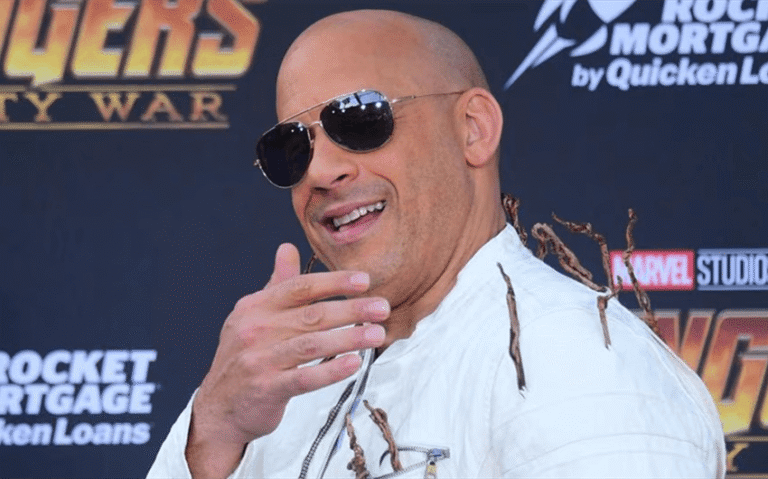
image source: https://variety.com/2022/music/news/dj-khaled-we-the-best-tag-catch-phrase-motto-interview-1235229012/