How to Enhance Mental Resilience with Yoga Practice

When life becomes challenging and nothing seems to work, resilience is one thing that keeps you going. According to the American Psychological Association, psychological resilience enables you to adapt to challenging life experiences through behavioral, mental, and emotional flexibility and adjustment to internal and external demands.
Yoga, an ancient practice combining breath, movement, and mindfulness, is an effective way to build your resilience. It lowers cortisol levels, boosts feel-good neurotransmitters, and rewires neural pathways for calmer responses. Regular practice activates the parasympathetic nervous system that counters the fight-or-flight mode.
Unlike quick fixes, yoga builds lasting strength through consistent, mindful effort. However, you need to do it right to make the most of the benefits it offers. In this article, we will share a few recommended ways to practice yoga for greater resilience.
Prioritize Breathwork
A News-Medical article highlights the immense benefits of breathwork for mental health. Traditionally rooted in practices like yoga, breathwork is about deliberate breath control. It has gained global popularity as an effective tool for stress relief, emotional regulation, and resilience building.
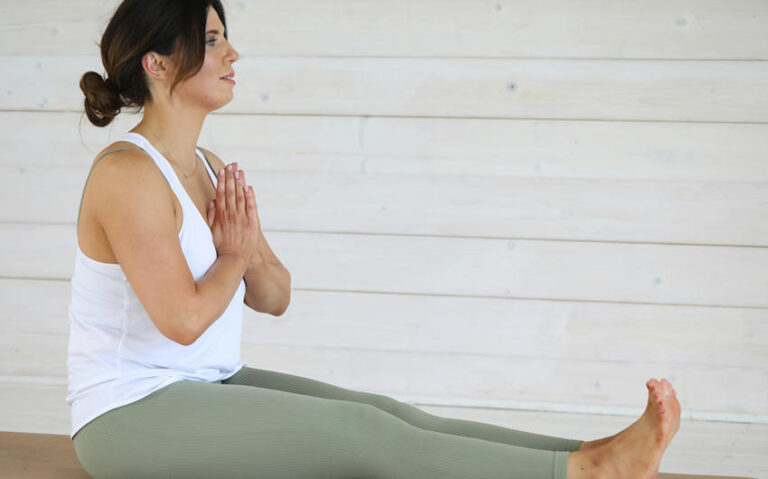
Also known as pranayama, breathwork directly regulates the autonomic nervous system to reduce stress hormones and promote clarity. You can start with the diaphragmatic breathing technique. Lie down, place one hand on your belly, inhale deeply through the nose for four counts (belly rises), hold for four, exhale for six.
Practicing it for 5-10 minutes daily, calms racing thoughts and anchors you in the present. Breathwork also improves focus and emotional stability. The best thing about breathwork is that it turns yoga into a portable resilience tool. You can do it anytime and anywhere, with no mat required.
Utilize Specific Poses
Different yoga poses have different benefits, and you can choose targeted ones to release physical tension tied to mental strain and stress. Some also help cultivate patience and introspection. For example, Child’s Pose eases anxiety by compressing the torso and signaling safety to the brain.
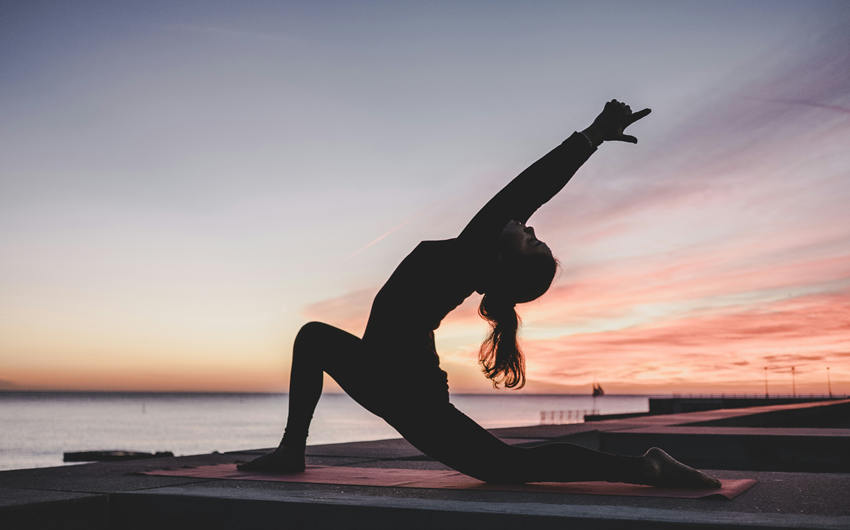
Legs-Up-the-Wall drains lymph and inverts perspective, literally shifting stress views for a mental reset. For resilience-building strength, you can also try the Warrior pose. This pose embodies grounded power, enhancing confidence and focus.
A trainer can help you pick the right poses that boost mental well-being and overall resilience. They can understand your specific problems and create a personalized sequence for cumulative effects on emotional steadiness. Over time, as you gain benefits from these poses, you can consider moving to more complex ones.
Set Intentions
Intention is one of the key elements of yoga practice, transforming it from exercise to mental training. It also helps direct focus toward resilience goals like “I am calm under pressure.” Many people, however, struggle to set intentions because of the inner turmoil they face. Someone going through trauma after a road accident may not be able to focus with intention.
Let us consider an example of a car accident that recently happened in Atlanta. The two-car crash claimed one life and left two critically injured. While the survivors may have sought compensation with the help of a personal injury law firm in Atlanta, the trauma they went through will be a part of their lives forever.
According to Atlanta Personal Injury Law Firm, victims can claim compensation for emotional damages besides physical injuries. However, they need to do more to rebuild their lives with resilience. It begins with setting positive intentions that reprogram subconscious patterns. Try to stick with these intentions and limit distractions while you practice yoga. Eventually, you will regain self-trust and turn reactive habits into proactive resilience.
Be Consistent
A British Columbia Medical Journal study explains the role of consistency if you want to build strength or improve fitness. In fact, consistency always beats intensity because health and fitness are long games rather than quick fixes. The same is true when you practice yoga to build mental resilience.
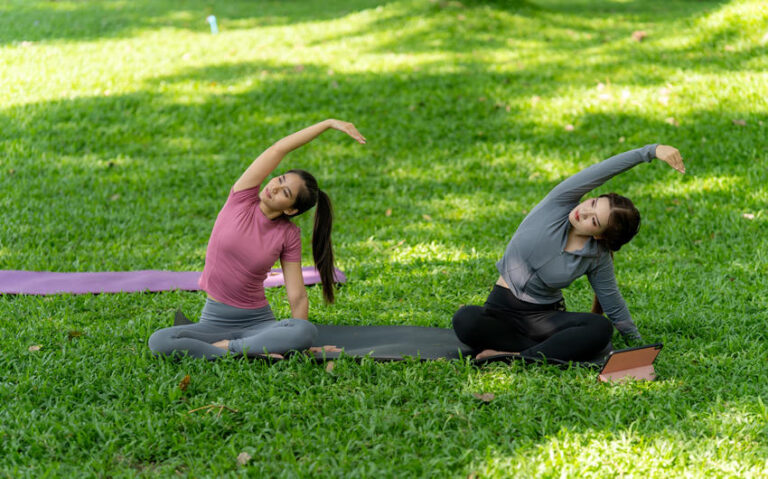
Even 10-20 minutes of yoga practice daily yields profound shifts, as effects compound via neuroplasticity. Schedule fixed times, such as a morning session for energy or an evening session for unwinding. Try to habit-stack with routines, like post-coffee or pre-dinner sessions. Track your sessions in a journal, with small details like mood pre/post and improvements in focus or sleep.
If you want to stay consistent, get a start first, even if a small one. You can begin with three sessions weekly, and later build to daily. While apps or online classes aid beginners, home practice builds autonomy. Miss a day? Resume without judgment because resilience includes self-compassion. Over months, expect sharper clarity, less reactivity, and a buoyant mood.
FAQs
How to improve mental health through yoga?
Yoga is not just about toning your body, boosting energy levels, and increasing flexibility and stamina. You can also achieve mental health benefits with the right approach. Combine breathwork, gentle poses like Child’s Pose, and daily 10-minute sessions to lower anxiety, boost serotonin, and enhance mood regulation.
What kind of yoga is best for mental health?
Gentle, slow yoga styles such as Hatha, Restorative, Yin, and Yoga Nidra are best for mental health. These practices emphasize breath, relaxation, and nervous-system regulation, reducing stress, anxiety, and emotional overwhelm. You can also try deep breathing to feel calm and relaxed.
Does yoga help with PTSD?
Yes, yoga can significantly reduce PTSD symptoms, especially as an add-on to therapy and medication. Trauma‑sensitive, slow yoga helps calm the nervous system, improve body awareness, and support emotional regulation, but it should complement professional PTSD treatment rather than replacing it.
Yoga offers a gentle, structured path to greater mental resilience and emotional balance. By following these steps, you gradually retrain your nervous system to respond more calmly to stress. Consistent, even brief, daily practice compounds these benefits over time. With the right approach, yoga becomes more than exercise. Think of it as a sustainable self-care ritual that supports healing, clarity, and inner strength.