
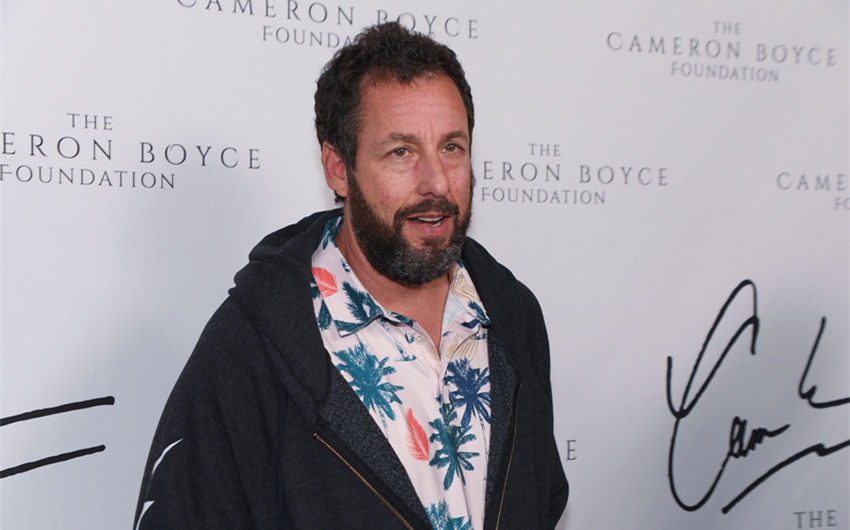
Adam Sandler Net Worth in 2026: Who He Is and How His Fortune Adds Up

Adam Sandler’s net worth gets discussed so much because he’s built the rare kind of career that prints money in multiple ways at once: huge acting paydays, a production machine that keeps projects flowing, a streaming partnership that changed his earning power, and stand-up tours that bring in direct revenue even when he isn’t filming. The exact number isn’t publicly verifiable down to the last dollar, but the most commonly cited estimates land in the same general range. The more interesting part is how that number is built—and why it keeps growing.
Who Is Adam Sandler?
Adam Sandler is an American actor, comedian, writer, and producer who first became widely known through Saturday Night Live before turning into one of the most commercially successful comedy stars of the last three decades. His film career includes iconic comedies like Happy Gilmore, Billy Madison, The Waterboy, and Big Daddy, along with more dramatic performances that proved he could carry serious roles when he wanted to. Just as important for his wealth, he’s not only a performer—he’s a builder. Over time, he created a system that lets him develop projects, cast them, produce them, and distribute them with far more control than most actors ever get.
Estimated Adam Sandler Net Worth
As of 2026, Adam Sandler’s net worth is most commonly estimated at about $440 million.
That figure is best understood as an informed estimate of accumulated wealth, not a lifetime earnings total. Net worth is what you own minus what you owe, and it’s shaped by what happens after the headline paydays: taxes, fees, spending, and investments. Someone can earn enormous money over a long career and still have a net worth that looks “lower” than fans expect if they spend heavily or invest poorly. In Sandler’s case, his net worth estimates are high because his earning power has been elite for a long time and he’s built multiple income streams that reinforce each other.
Net Worth Breakdown: Where His Money Comes From
1) Movie Salaries: Big Paychecks, Repeated for Decades
The foundation of Sandler’s fortune is simple: he has been paid extremely well to star in movies for a very long time. In Hollywood, that’s the whole game—audiences show up, studios pay more, and the actor’s “rate” rises. Sandler’s films have often performed strongly with mainstream viewers, which is why he remained valuable to studios even when critics didn’t love certain releases. That consistency is a financial superpower. A star who can deliver viewership repeatedly gets paid repeatedly, and that’s how a fortune becomes massive: not one huge check, but a long chain of huge checks.
Another factor is that Sandler’s projects often aren’t built around expensive special effects or complicated production schedules. Comedy can be efficient. When a film costs less to make and still performs well, the business case for paying the lead star a premium becomes even easier. Over time, that dynamic helped keep his compensation strong across multiple eras of the industry.
2) The Netflix Era: A Deal Model Built for His Audience
A major modern driver of Sandler’s wealth is his long-running partnership with Netflix. Streaming changed what “success” looks like: platforms value consistent engagement, rewatchability, and broad appeal. Sandler’s movies are exactly the kind of titles people put on repeatedly. That makes him unusually valuable in a world where watch time matters as much as box office.
What streaming deals can do, financially, is concentrate power. Instead of negotiating one movie at a time with multiple studios, a large platform partnership can package multiple projects, guarantee distribution, and create predictable, high-level payouts. That kind of structure can dramatically raise a star’s annual income and keep it elevated for years, especially when the content performs well and the partnership gets renewed or expanded.
3) Happy Madison Productions: Why Producing Changes Everything
If you want to understand why Sandler’s wealth is so large, you can’t look only at acting salaries. You have to look at ownership and control. Sandler’s production company, Happy Madison Productions, is the engine that helps him turn his popularity into a repeatable business. Producing can create additional earnings on top of acting because you’re being paid not just to show up on set, but to develop the project, package it, and help deliver a finished product.
Even more importantly, producing gives leverage. It allows Sandler to move with a familiar creative team, build projects that match his audience, and keep the pipeline full. That kind of system is what separates a highly paid actor from a true entertainment mogul. It turns a career into a factory—and factories scale.
There’s also a strategic advantage: when you control production, you can choose projects that are commercially safe, shoot them efficiently, and deliver them on a schedule that keeps income flowing. That predictability is a quiet reason his wealth has remained durable year after year.
4) Stand-Up Touring: Direct Revenue, Big Crowds, and Strong Cash Flow
Sandler’s stand-up comedy is another meaningful piece of his financial picture. Touring is one of the most direct ways entertainers make money: ticket sales, venue deals, and related revenue can be extremely lucrative at his level. Unlike a movie, which depends on release timing and studio decisions, touring gives you more control over when you earn and how often.
This also matters for wealth-building because touring can smooth out income. If one year has fewer film releases, a successful tour can keep earnings high. Over time, that consistency helps net worth grow because it reduces the need to dip into savings during “quiet” years.
5) Peak Earnings Years: Why They Matter Without Explaining Everything
Sandler periodically shows up near the top of annual earnings conversations, especially when a major streaming run overlaps with a tour schedule. Those peak years matter because repeated high-earning years compound wealth. A single big year is great. Multiple big years stacked together—plus investing—are how someone reaches hundreds of millions in net worth.
Still, it’s worth remembering that a massive earnings year doesn’t translate dollar-for-dollar into net worth growth. Taxes can take a huge slice, and there are also agent fees, management costs, and business expenses. Net worth rises when a meaningful portion of those earnings is retained and moved into assets that hold value or appreciate.
6) Investments and Assets: The Private Side of Celebrity Wealth
At the level of wealth Sandler is estimated to have, it’s almost guaranteed that a meaningful portion sits in assets: real estate, diversified investments, and other holdings that aren’t fully public. This is one reason net worth estimates can vary slightly depending on the source—outsiders can’t see every investment, every property structure, or every liability.
But the concept is straightforward. Entertainment income is active income: you work, you get paid. Investments are what turn active income into lasting wealth: money that can grow without you filming a movie that year. For someone with decades of high earnings, disciplined investing is often what pushes net worth from “rich” to “generationally wealthy.”