Scrub Daddy Net Worth: 2026 Estimate, Who They Are, and a Clear Breakdown

Scrub Daddy net worth is one of those business questions where the answer depends on what you mean by “net worth.” Some people mean the value of the company. Others mean the personal net worth of founder Aaron Krause. Because Scrub Daddy is privately held, there isn’t a single public filing that confirms a precise number. What you can do is look at the brand’s scale, its repeat-purchase business model, and how consumer-product companies are typically valued to land on a realistic estimate range.
What Is Scrub Daddy?
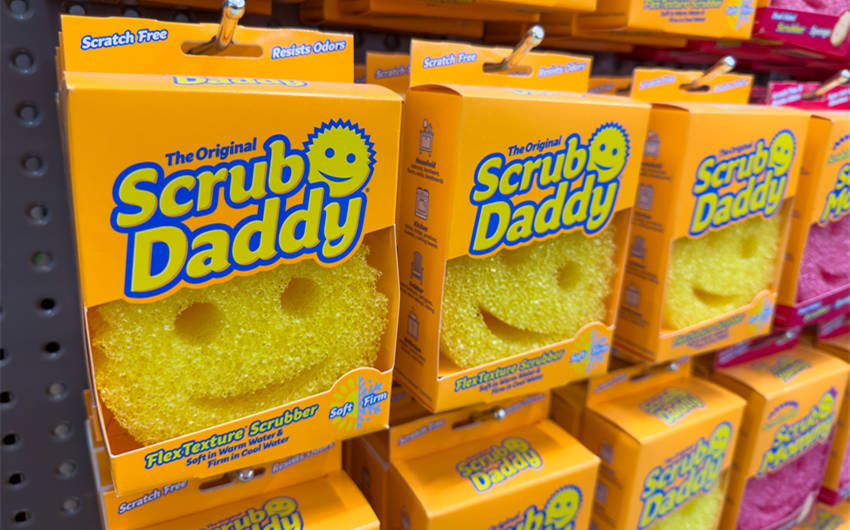
Scrub Daddy is the consumer cleaning brand behind the iconic smiley-face sponge made from a texture-changing material that becomes firm in cold water and softer in warm water. The company became a household name after appearing on Shark Tank in 2012, when founder Aaron Krause struck a deal with Lori Greiner.
From there, Scrub Daddy grew from one standout product into a broader cleaning line sold across major retailers and online. Over time, it has expanded into different sponge types, scrubbers, cleaning tools, and related household products, turning a single viral concept into a full brand ecosystem.
Estimated Net Worth in 2026
Scrub Daddy’s company value in 2026 is often estimated around $500 million, with a reasonable range of roughly $300 million to $600 million depending on the assumptions used. Because the company is private, treat this as an estimate range rather than a confirmed number.
The biggest reason the estimates move is valuation logic. Different sources assume different levels of annual revenue, different profit margins, and different valuation multiples. A fast-growing consumer brand with strong retail distribution can be valued very differently than a slower brand with thinner margins, even if they sell a similar number of units.
Net Worth Breakdown: What Actually Creates the Value
Repeat-Purchase Product Economics
Scrub Daddy sits in a category built on repeat buying. Sponges and scrubbers wear out and get replaced. When customers find one they like, they repurchase and often buy multiple units at a time. That repeat behavior creates predictable demand, and predictable demand is exactly what supports strong company valuation.
This is also why the brand has staying power. It isn’t dependent on a one-time trend the way some “as seen on TV” items are. It lives in the daily routine of cleaning, which gives it a long runway.
Brand Power Built Through Shark Tank and Retail Expansion
Scrub Daddy didn’t just get attention from its Shark Tank moment. It used that attention to secure broad retail presence and become an established household name. Retailers love products that demonstrate well, generate impulse purchases, and earn repeat sales—all of which Scrub Daddy has managed to do.
Brand power reduces the cost of growth. A product people recognize tends to sell more easily in-store and online, which allows the company to scale without spending as aggressively to convince shoppers it’s worth trying.
Line Extension: From One Sponge to a Product Ecosystem
One of the biggest valuation drivers is that Scrub Daddy expanded beyond the original product. A single hero item can create a business, but a portfolio creates a durable company. By offering multiple sponge variants and adjacent cleaning products, the brand increases the lifetime value of each customer.
Someone who starts with the original sponge can later buy different versions for other cleaning tasks, add complementary products, and continue purchasing within the brand instead of switching to competitors.
Revenue Scale and Private-Company Valuation Logic
Many estimates are based on the idea that Scrub Daddy has reached high annual sales. When consumer brands move into nine-figure annual revenue territory, valuation often rises quickly—especially if they have strong retailer relationships and healthy margins. If the brand is still growing fast, valuations can move toward the higher end of the range. If growth slows or margins tighten, valuations tend to move lower.
This is why you’ll see a range. Without public financial statements, outside observers can’t calculate an exact value, but the scale of the brand supports “hundreds of millions” in company value as a realistic assumption.
Ownership and Why Company Value Isn’t the Same as Founder Net Worth
This is where many people get confused. Company value is not the same as personal net worth. Even if Scrub Daddy were worth $500 million, that does not mean Aaron Krause personally has $500 million in cash. Personal net worth depends on:
Ownership stake: how much of the company he owns after partners and investors
Liquidity: equity value is not cash unless shares are sold or the company is sold
Profit distributions: how much cash the owner takes out versus reinvesting in growth
Taxes and expenses: business and personal costs reduce what is ultimately retained
In many private companies, the founder keeps most of their wealth inside the business because growth requires inventory, staffing, marketing, product development, and working capital. That can make someone “worth” a lot on paper while holding far less in liquid cash.
Marketing Advantage: The Demonstration Effect
Scrub Daddy fits perfectly into modern product marketing because it demonstrates well. A quick video can show the texture change, the cleaning result, and the smiley design in seconds. That makes the brand highly compatible with retail displays, live selling, and social video, where demonstration products often outperform “hard-to-explain” items.
When marketing is efficient, customer acquisition costs tend to be lower, and lower costs tend to support stronger profitability. Strong profitability supports higher company valuation.